Town-by-Town Review of Central Massachusetts, EP01: Paxton
Could Rainbow Meadow Belong in Paxton?
Town Scorecard: Paxton
Zoning Clarity: 4/5
Permitting Complexity: 3.5/5
Parcel Realism: 4/5
Environmental Constraint Burden: 3/5
Mission / Tone Fit: 4.5/5
Tax / Business Friendliness: 3/5
Key barrier: Watershed overlay
Stewardship caution: Middle-of-the-pack long-term tax burden
Overall Score: B+
When I think about Paxton, the first place my mind goes is Moore State Park.
I’ve walked those trails, climbed around the old stonework, and like plenty of other local kids growing up nearby in Spencer, I went down into the little cave behind the waterfall under the main gazebo. Yeah, the slightly gross one with crawfish in it that somehow still felt magical anyway.
But that memory feels very Paxton to me.
Because Paxton has that same kind of energy. Wooded, quiet, a little tucked away, and not especially interested in showing off. It’s the kind of town where the landscape still does a lot of the talking, and where places like Moore State Park, the Common, Anna Maria, and the older civic center all feel connected by the same general tone. Nothing about it feels especially loud. It feels like a town that’s comfortable being itself, and it honestly carries a lot of the feeling I want Rainbow Meadow to have.
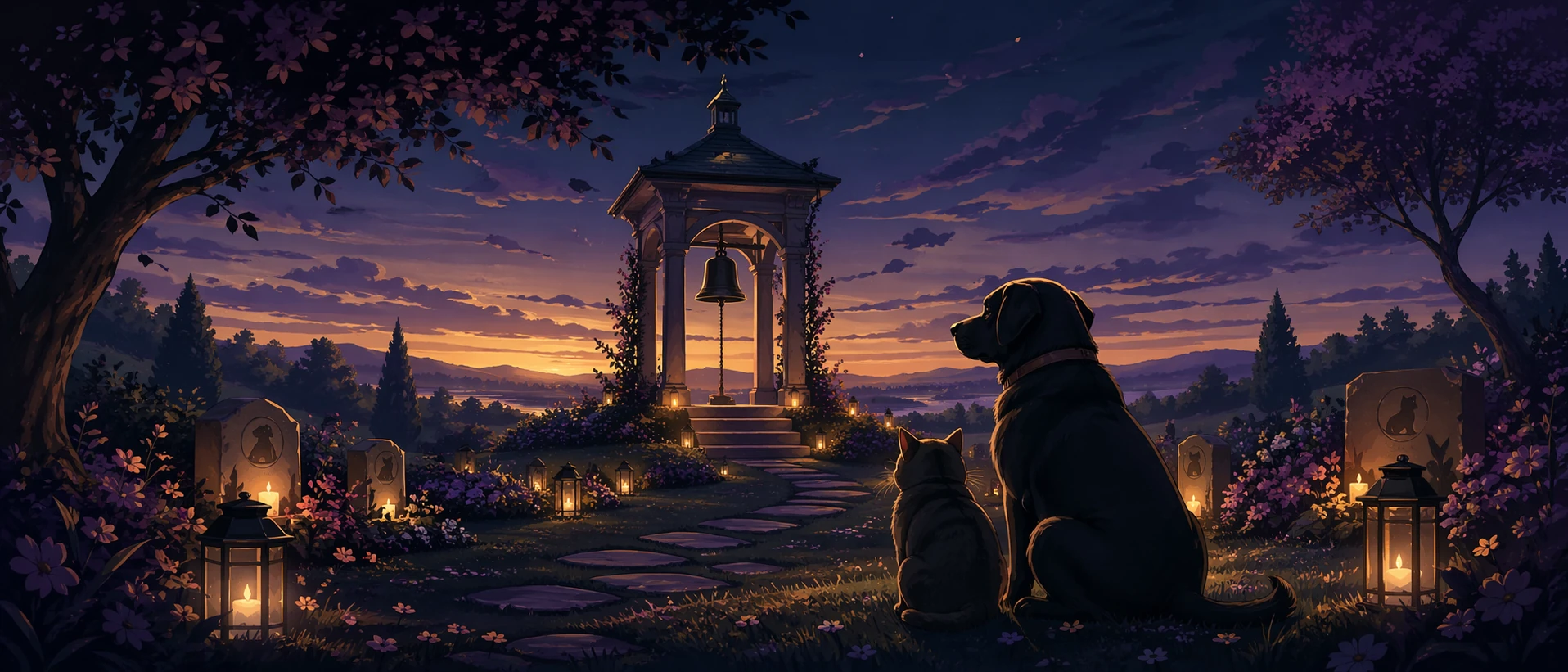
Not because Rainbow Meadow is supposed to look like Moore State Park, but because Paxton already holds something similar in tone: reflection, gentleness, modest scale, and the sense that emotion can live naturally inside a place instead of being awkwardly placed on top of it. That matters.
As part of this Central Massachusetts town review series, I’m asking the same question in every community:
Could Rainbow Meadow naturally belong here?
That means looking at more than acreage or zoning alone. It means asking whether a low-intensity memorial sanctuary would feel genuinely compatible with the town around it. Not just legally possible, but emotionally and physically at home. In Paxton, that question feels especially meaningful, because this is a town where I can already feel a version of the atmosphere I’m searching for.
The Zoning Picture
From a zoning standpoint, Paxton does offer a real path.
Cemetery use, including crematory, appears to be allowed by special permit in the General Residence B, General Residence A, and Business districts. That’s not the broadest or easiest setup in the region, but it is still a legitimate one. The use is there. It isn’t missing from the bylaw, and it isn’t hanging on some stretched interpretation. That already puts Paxton in a better position than a lot of towns where cemetery use is vague, absent, or murky.
The likely permitting path would still involve a few layers:
Zoning Board of Appeals special permit review
Site and layout review as needed
Board of Health review for burial, groundwater, and septic or well compliance
Conservation review if wetlands or protected resource areas are involved
So this isn’t a frictionless town, but it also isn’t a town where the concept feels stranded before it even starts.
The Land Question
This is where Paxton gets more interesting. It’s the kind of town where larger wooded parcels still feel plausible, where lower-density areas still exist in a real way, and where a memorial landscape could potentially feel tucked into the town instead of dropped awkwardly into it. That’s a real strength, but at the same time, Paxton isn’t simple.
Like a lot of attractive towns in the Wachusett area, it carries environmental sensitivity that can narrow the real options pretty quickly. The wrong parcel could stop looking promising fast once watershed, groundwater, wetlands, and conservation realities start stacking up. So Paxton isn’t a “pick any rural parcel and go” town. It’s more of a “the right site could work beautifully, but site selection will matter a lot” town.
That’s a much more useful thing to know.
Mission and Tone Fit
This is where Paxton feels especially strong to me. Rainbow Meadow is not meant to be some generic, commercial “pet cemetery”. The vision is for something quieter, more reflective, and more rooted in stewardship than throughput. A place where grief is held gently, where remembrance is integrated into landscape, and where the setting itself carries some of the emotional weight. Paxton already has some of that language built into it.
It’s wooded. Restrained. Modest in scale. It has the kind of rural dignity that doesn’t need to be romanticized to be felt. Some towns may have broader zoning or easier approvals, but still feel slightly off in tone. Paxton doesn’t. The landscape here already leans toward the kind of stillness Rainbow Meadow would need. That doesn’t make it perfect. But it does make it feel serious.
And for me, that feeling isn’t abstract. It goes back to Moore State Park, to that sense of quiet and shelter and small wonder that can live inside a landscape without needing to announce itself. That’s part of what I want Rainbow Meadow to carry too.
The Stewardship Question
If Rainbow Meadow is meant to last, then it’s not enough for a town to feel right emotionally or work on paper. It also has to be a place where long-term stewardship feels financially survivable. That includes property tax burden.
On that front, Paxton feels more middle-of-the-pack than standout. It’s not one of the towns with the most punishing tax environment in the broader search, but it also isn’t one of the places that gives the project a major long-term carrying-cost advantage. That matters, especially for something like Rainbow Meadow, where the goal is not just to secure land, but to care for it well over time.
So Paxton still reads as promising, but not especially cheap to carry compared with some of the stronger stewardship towns in the region. That doesn’t erase the fit. It just makes the overall picture a little more honest.
The Friction Points
Paxton’s biggest caution is environmental.
Watershed-related constraints and other land sensitivities could eliminate otherwise promising parcels, which means the town’s apparent openness may be narrower in practice than it looks at first.
The second caution is just the nature of a special permit town. A special permit means discretion. Presentation matters. Site design matters. Buffering matters. Neighborhood context matters. It isn’t enough for a parcel to work numerically. It has to work convincingly.
And the third is long-term carrying cost. Paxton may feel right in tone, but it does not get the same stewardship boost that some lower-burden towns do. So the real Paxton question isn’t simply: “Is cemetery use allowed?”
It’s: “Can the right parcel be found in the right district, with the right environmental profile and the right long-term carrying cost, in a way that preserves the quiet character that makes Paxton appealing in the first place?”
That’s the more honest question, and here, it’s the one that matters.
Final Read
Paxton feels like a strong and meaningful place to begin this series because it captures a lot of what this search is really about.
It’s not a slam-dunk by-right standout. It’s not a dense suburban mismatch either. It sits in that more interesting middle space where the atmosphere feels right, the zoning path exists, and the real challenge is whether all the moving pieces can line up on the ground and remain sustainable over time.
That makes it a legitimate contender.
More importantly, it makes Paxton a reminder of what this whole series is trying to do. It’s not just about identifying where Rainbow Meadow could legally go. It’s about asking where it would feel natural, respectful, emotionally coherent, and realistically stewardable. Where the land, the town, and the mission all seem capable of speaking the same language for the long haul.
Paxton doesn’t answer that question completely, but it answers enough of it to make the search feel real, and that feels like a pretty good place to start.